Local coverage of the same Oklahoma decision granting a motion to suppress evidence from a warrantless 30-day location-history search through Flock. Notes that another federal appeals court has ruled the other way, setting up a split on whether such searches need a warrant.
NoCams Muskego, Citizens Defending Liberty and Waukesha County resident Donavan Haidinger sued Waukesha County, Wisconsin and 11 of its cities and villages, arguing that Flock cameras and warrantless searches of the Flock location database violate the Fourth Amendment. Citing Chatrie v. United States, they ask the court to require police to get a warrant before searching the database.
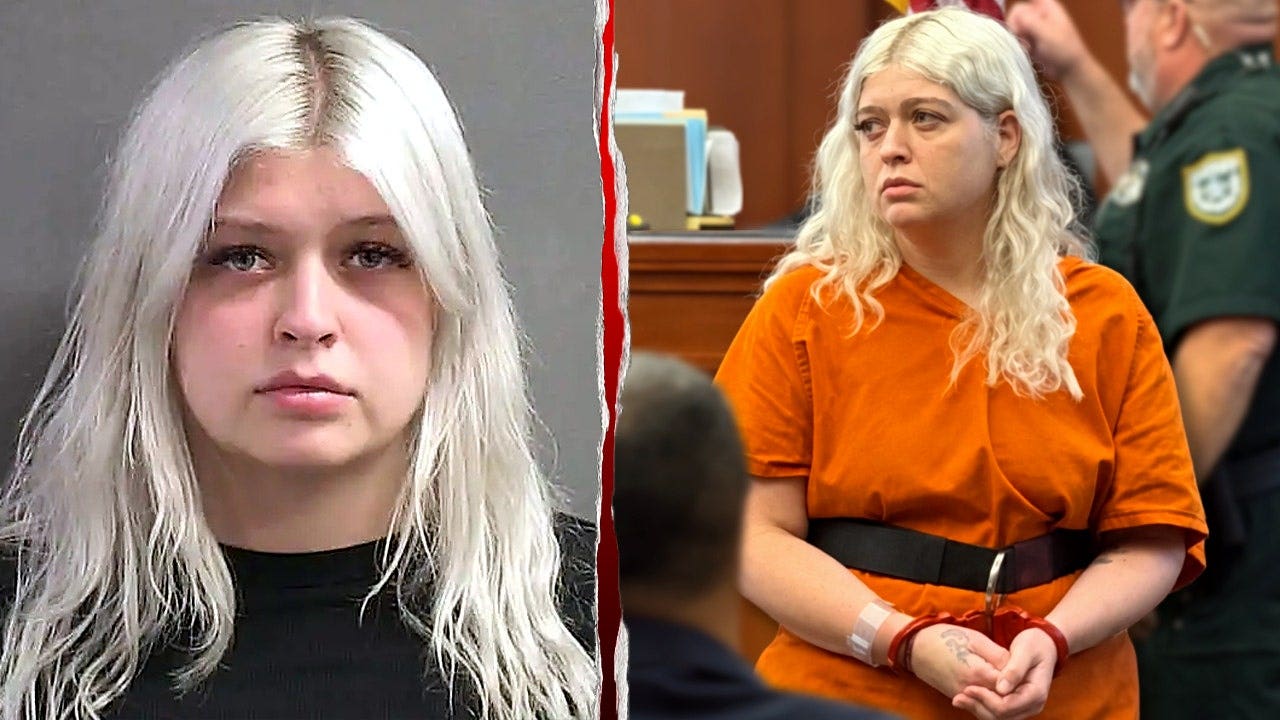
A Florida woman who spent 13 days in jail after a Flock hit tied her SUV to a fatal crash sued two Highway Patrol troopers in federal court for false arrest and malicious prosecution. All charges were dropped after investigators identified a different driver.
A Georgia woman sued Flock in federal court on behalf of everyone whose plate has been scanned since January 2024, alleging officers use the system to stalk people and that the cameras misread plates, and seeking privacy and punitive damages.
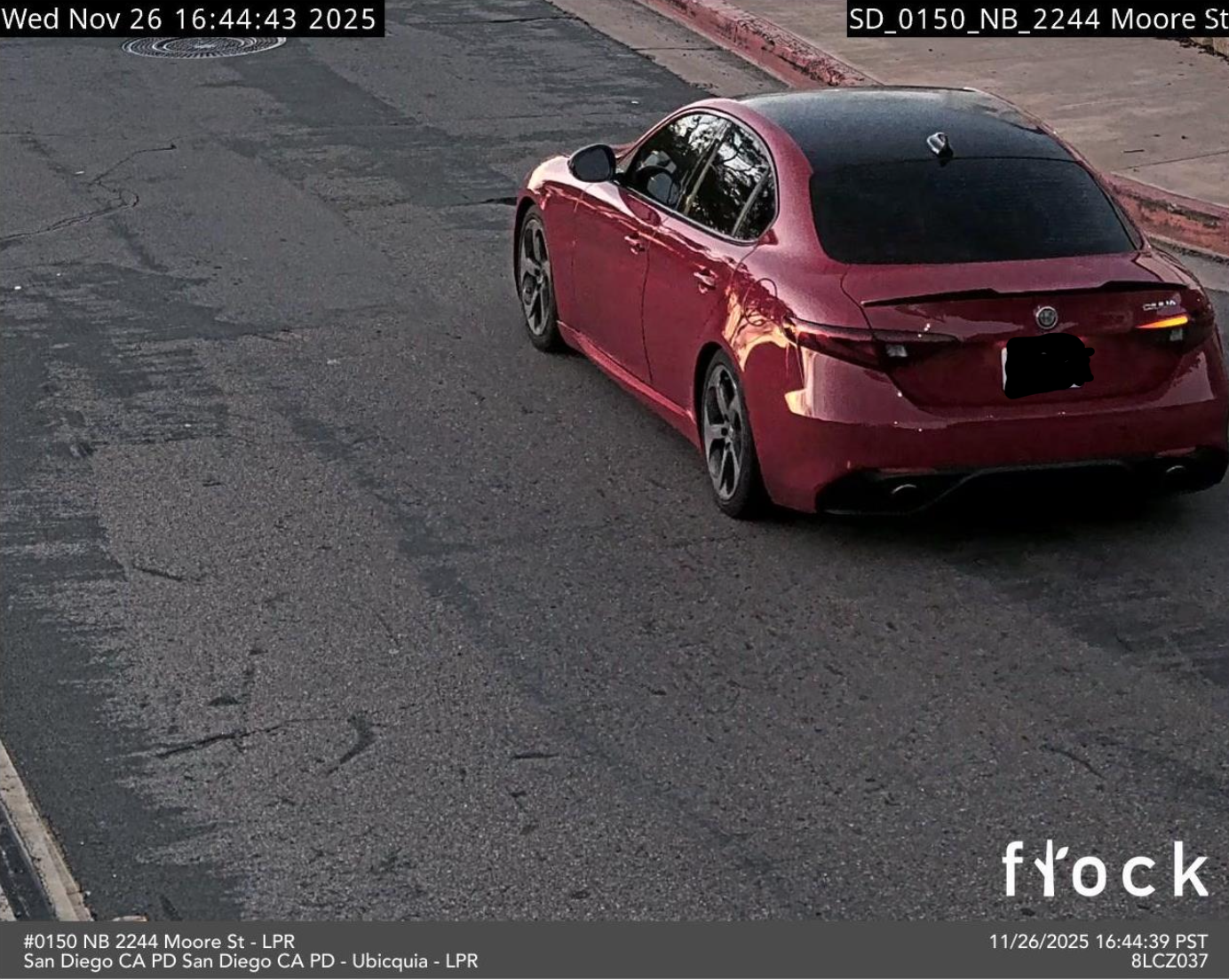
Two men are suing San Diego after being arrested when a Flock camera flagged a car matching only the make and model, not the license plate, of a vehicle sought in a shooting, leading police to their similar car five miles away. Charges were later dropped, and the lawsuit alleges the department could have avoided the wrongful arrest by checking the actual plate number before acting.
A Michigan college student sued Genesee County under the state's public records law after it withheld camera locations, audit logs and scan records, claiming Flock owns them even though the county's own contract says the county owns the data.
A Huntington, West Virginia resident, backed by the ACLU of West Virginia, sued the city arguing its roughly $2.1 million Flock contract was awarded without a franchise application, public hearing or notice and should be declared void.
Examines how a June 2026 Supreme Court decision requiring warrants for geofence location requests could set a legal precedent applicable to Flock's camera network, even though the ruling didn't address ALPRs directly. Legal advocates see it as a potential tool against mass surveillance, while cautioning that litigation alone won't roll back deployment absent stronger legislation or continued local organizing.
Early coverage of the claim that became the wrongful-arrest lawsuit against San Diego: a Flock hit on a red Alfa Romeo put a man near a violent crime scene when he was actually about five miles away, and he was arrested anyway.
Two Boulder residents sued the police chief and the city's records supervisor, arguing the city's Flock cameras are warrantless surveillance barred by the Colorado Constitution. They seek an injunction and the release of camera data.
The Stop LAPD Spying Coalition sued the Los Angeles Police Department to force the release of records about its Flock partnership, alleging the department concealed contracts and data sharing for years.
Reports on a California class action accusing Flock of violating the state's ALPR Privacy Act by letting out-of-state and federal agencies search driver data collected by local police departments. Cites figures showing outside agencies queried one department's Flock database over 1.6 million times in a seven-month span.
Covers the class action filed in San Francisco Superior Court accusing Flock of violating California's ALPR privacy law by letting out-of-state and federal agencies search California drivers' plate data collected by local police.
Reports on the January 2026 ruling in Schmidt v. Norfolk, where a federal judge sided with the city, finding that the network's 21-day retention and coverage gaps don't yet amount to the kind of comprehensive tracking the Supreme Court barred in Carpenter. The judge left room for a different result if the network keeps growing.
Update on the state's case against El Cajon: the attorney general filed a further motion, alleging the city is still sharing ALPR data with out-of-state agencies despite the pending lawsuit.
The ACLU of Northern California and the Electronic Frontier Foundation sued San Jose over its nearly 500 Flock cameras, arguing that warrantless searches of the database violate the California Constitution and asking the court to require a warrant.
A Skagit County judge ruled that images captured by Flock cameras held by the cities of Stanwood and Sedro-Woolley are public records under Washington law, rejecting the cities' request for a declaration that data held by the vendor was exempt from disclosure.
California's attorney general sued the City of El Cajon, a few miles from San Diego, for sharing license plate reader data with more than 100 out-of-state agencies, which state law (SB 34) prohibits. The complaint says the city kept sharing after being warned to stop.
Norfolk, Virginia residents Lee Schmidt and Crystal Arrington, represented by the Institute for Justice, sued the city over its network of roughly 176 Flock cameras, arguing that warrantless, persistent tracking of their movements is an unconstitutional search. A federal judge refused to dismiss the case, letting it move toward trial.
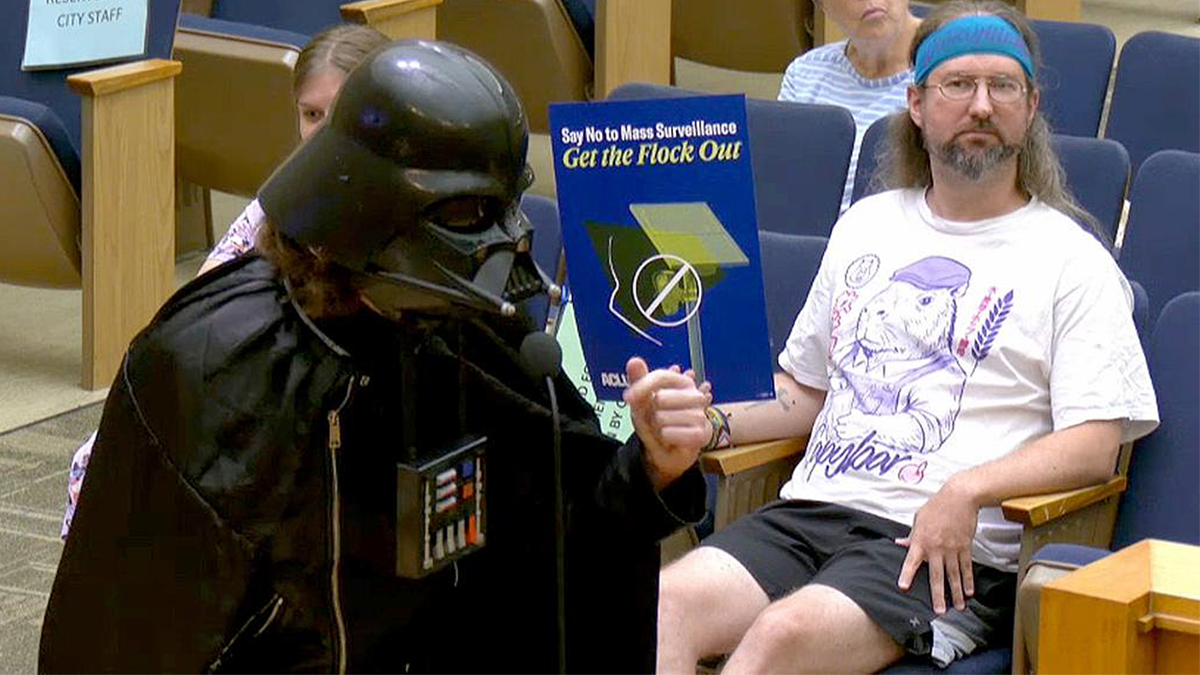
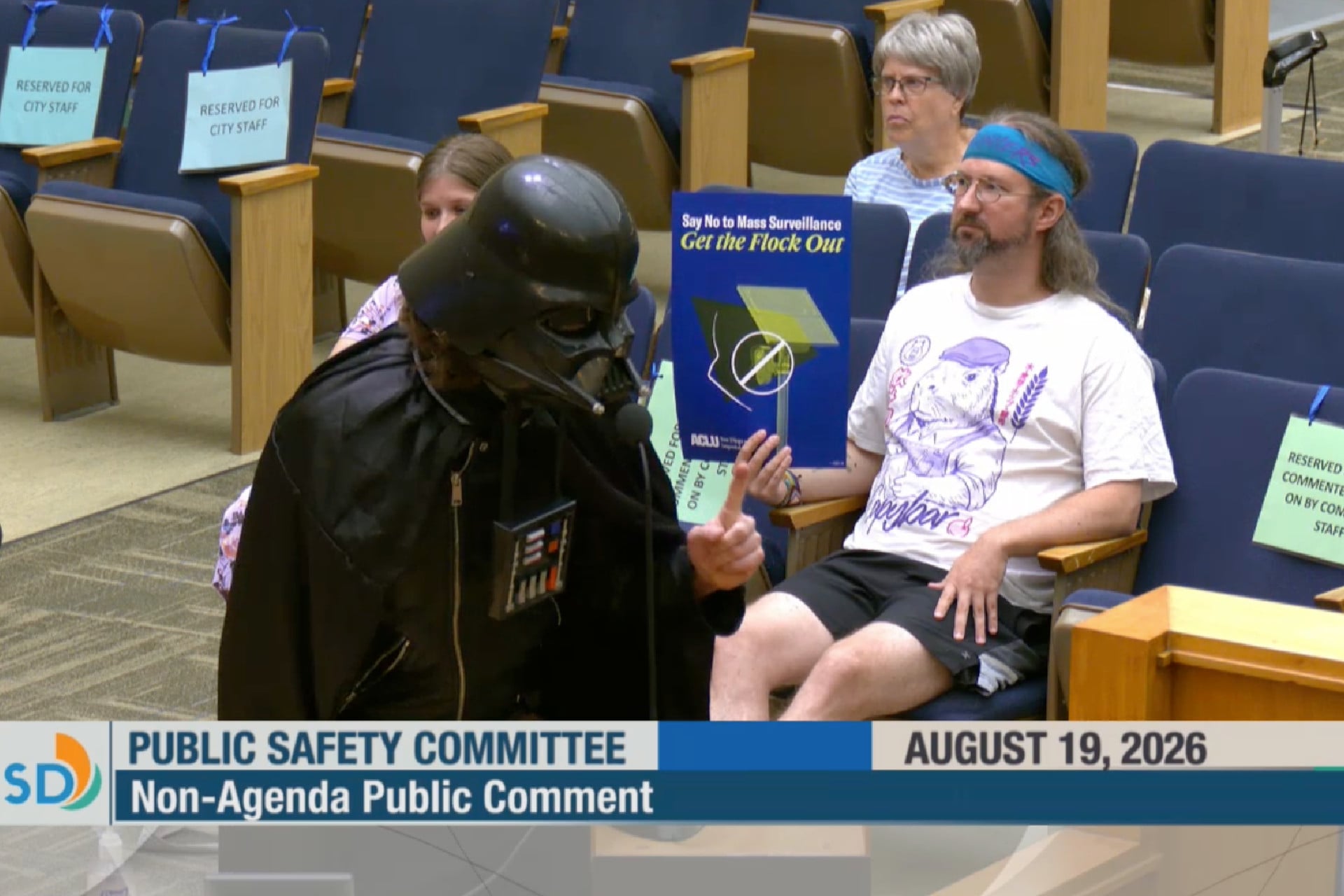
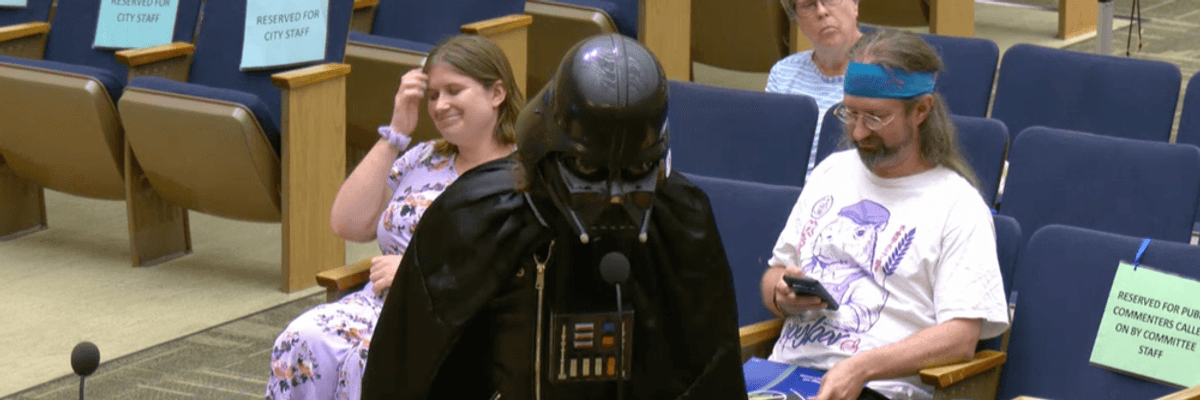
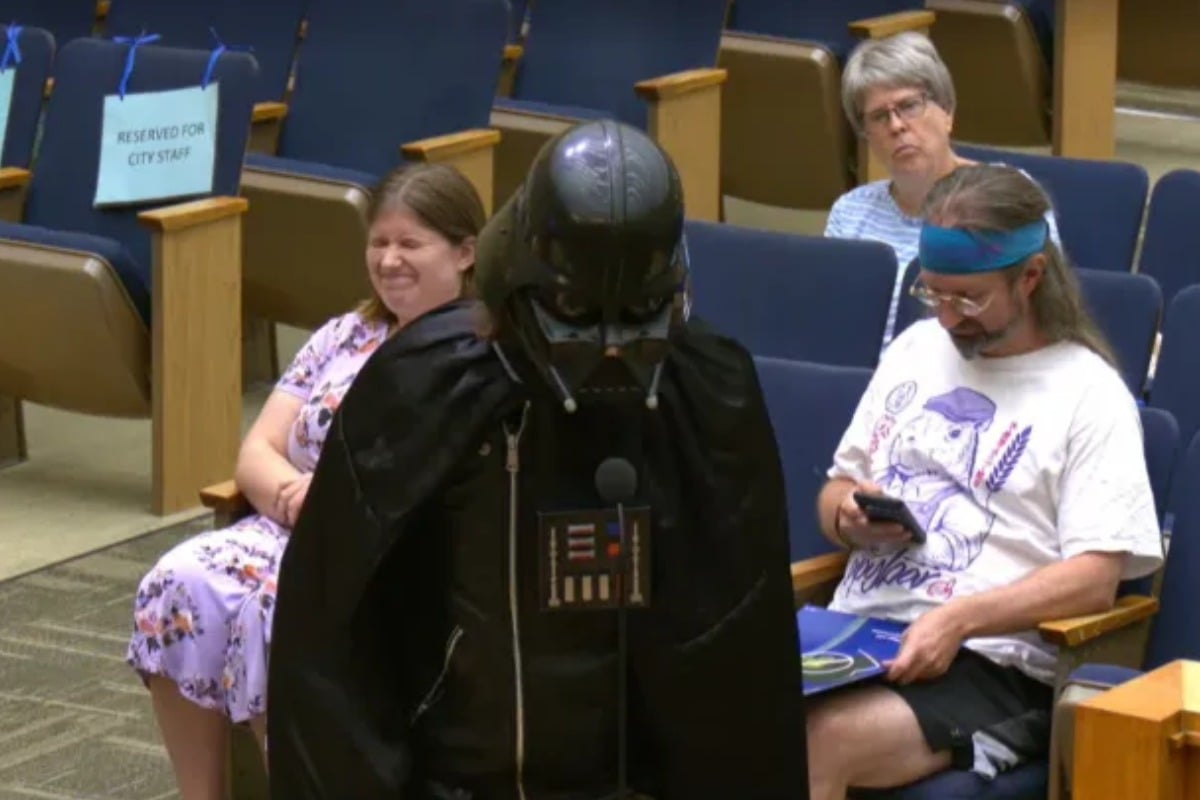
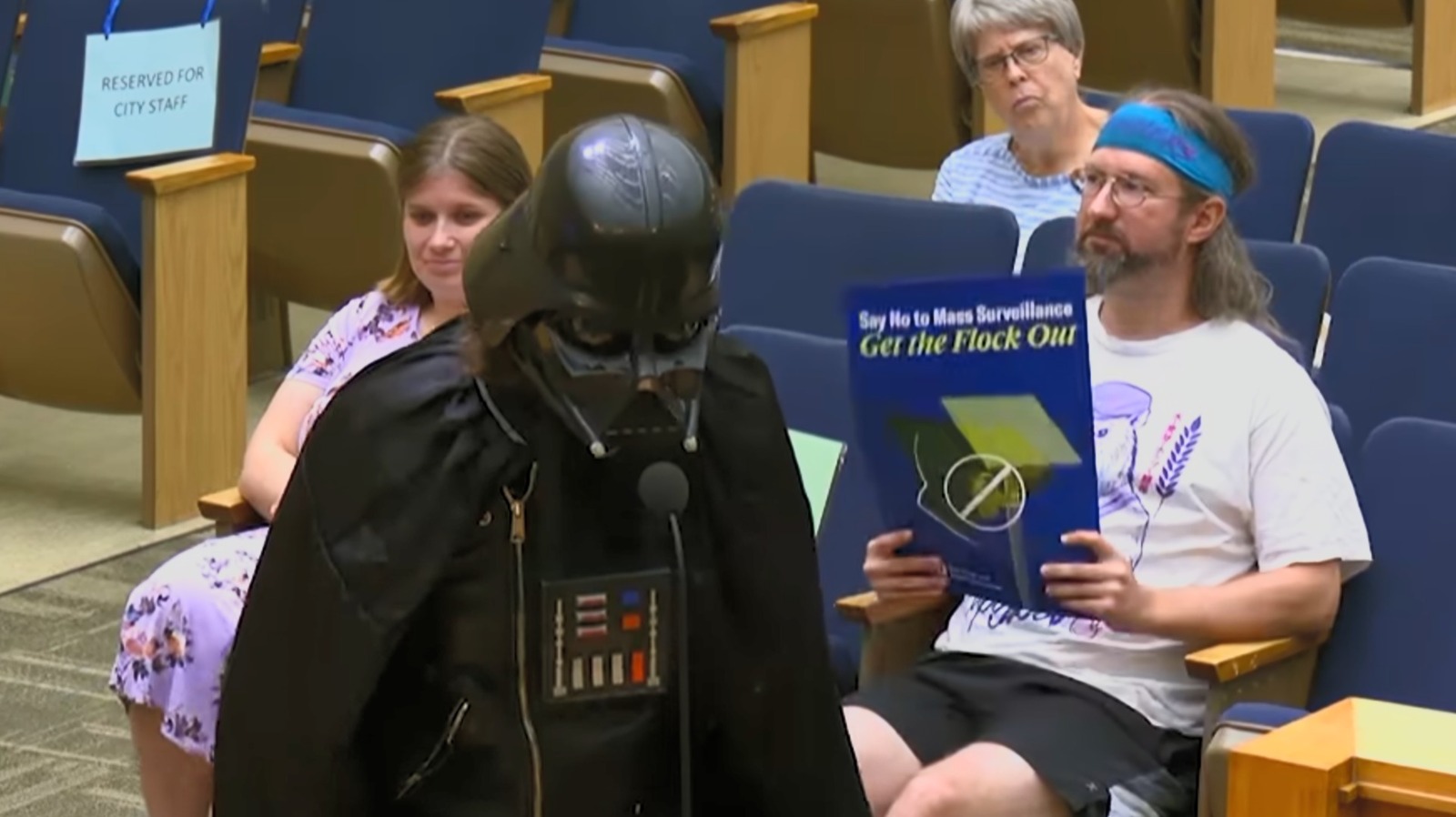
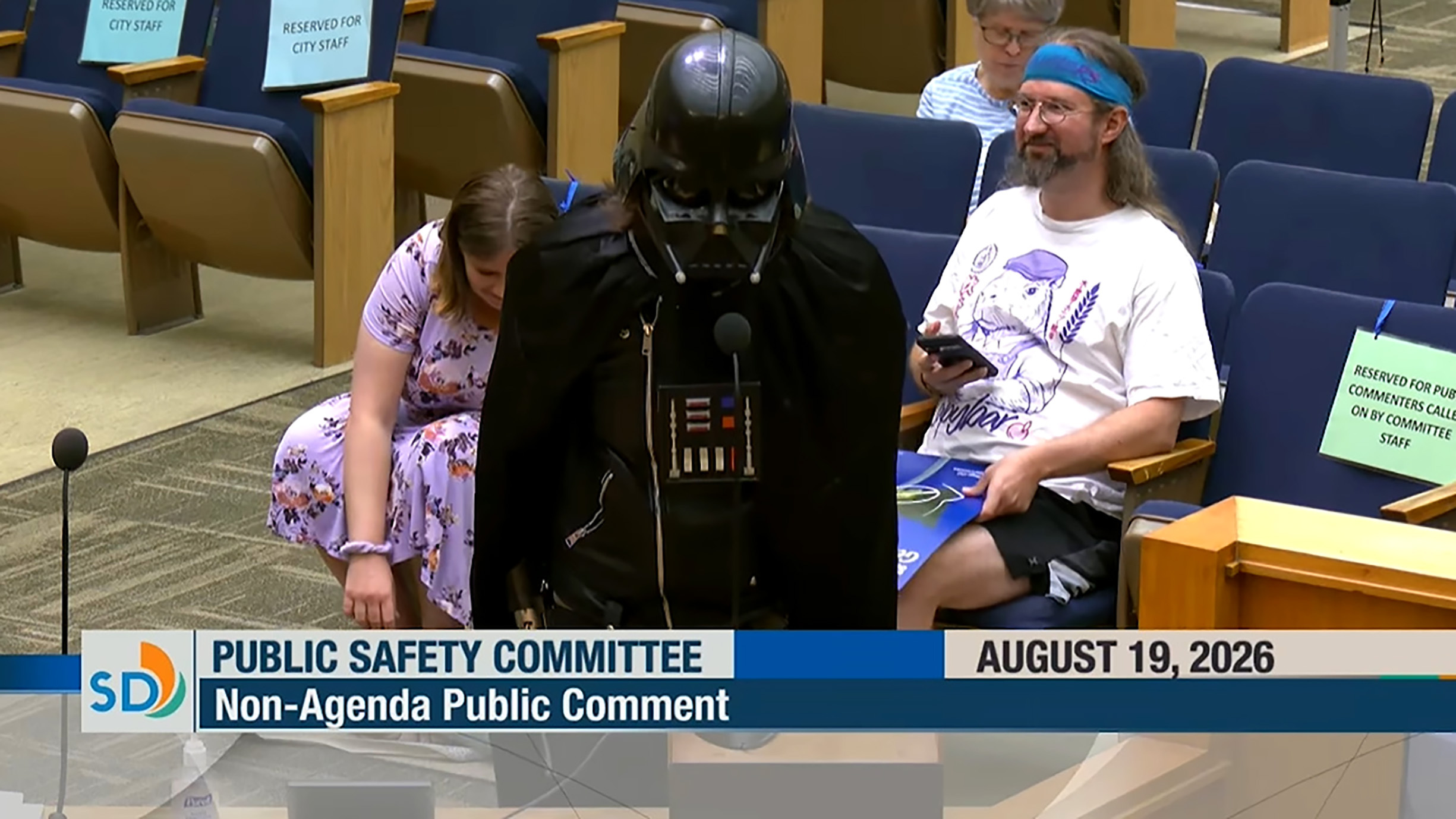
The costumed public-comment activism at city council podiums, plus reporting on the issues behind it: immigration enforcement, automated surveillance cameras, San Diego policing, the AI data center buildout, and the Boulevard solar and battery storage project.
In this opinion piece, digital-rights advocate Evan Greer argues the nationwide wave of organizing and vandalism against Flock cameras shows privacy advocacy isn't a lost cause, framing the backlash as evidence that people care deeply about surveillance even when they feel powerless against it.
An in-depth 404 Media interview traces roughly a year of Tony's conventional, businesslike public comment against the city's Flock ALPR contract going largely unheard by the council. Frustrated, he began appearing in a full Darth Vader costume, sarcastically thanking the council for camera coverage so thorough that "even the Emperor is a fan." The clip went viral, and in a later meeting he set the mask down on the podium and, out of character, asked council members directly when the surveillance expansion would end.
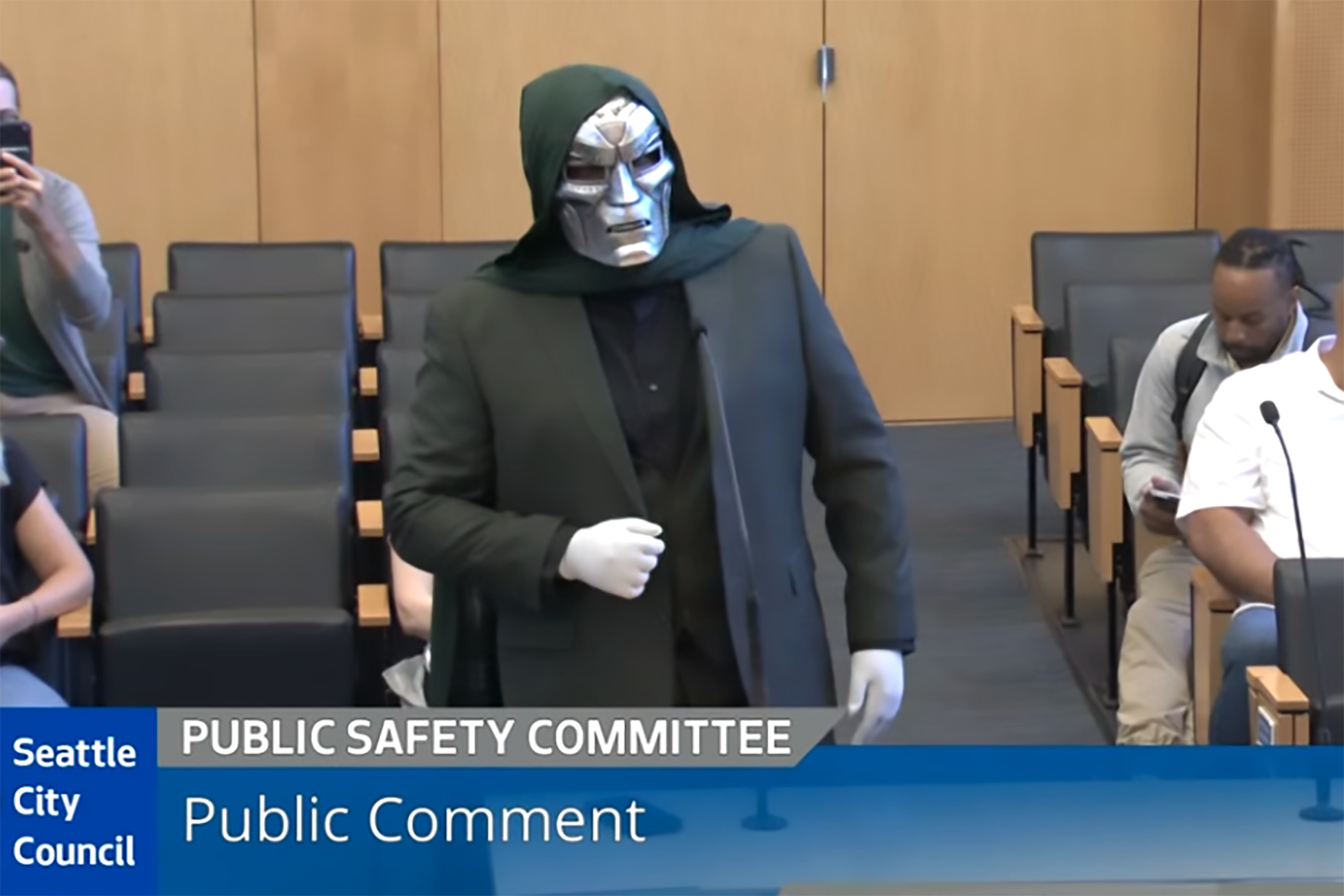
Gizmodo profiles Cawthon, a policy advisor at the Washington State Department of Commerce, addressing Seattle's Real-Time Crime Center and its Axon-supplied camera network in full costume. The piece quotes an in-character warning that the cameras will be watching anyone seeking reproductive or gender-affirming care, using the villain framing to spotlight surveillance risk for specific vulnerable groups.
The Hill's policy desk covers the appearance as an example of viral protest theater aimed at municipal surveillance spending, situating it within the broader national debate over automated license-plate reader networks.
Fox News covers the council appearance as part of its national roundup of the story, recapping the sarcastic endorsement of the camera contract for readers encountering the stunt for the first time.
The Boston Globe reports that a person dressed as Krampus testified at a Billerica town meeting in mock support of Flock license-plate-reader cameras, joking the cameras could catch 'naughty thoughts.' The piece ties the stunt directly to the viral San Diego Darth Vader protest and frames it as part of a national pattern of costumed satire at Flock hearings.
Gizmodo's coverage of the council appearance uses the Star Wars references as a hook for real complaints about the technology, including documented cases of law enforcement misusing Flock's database to track ex-partners and monitor children.
404 Media reports that Seattle's Real-Time Crime Center ties into roughly 62 cameras, with the city having redirected about $250,000 originally earmarked for CCTV expansion. The piece notes Cawthon's stunt was directly inspired by Tony's San Diego appearance and raises concerns about the network being misused for ICE enforcement or stalking.
National coverage of the council testimony details SDPD's roughly 500 Flock cameras citywide, a separate undisclosed December contract for Flock's Nova data-integration product that bypassed the city's Privacy Advisory Board review, and Flock's subsequent move to shorten its default data-retention window and require officers to log a case number before each search.
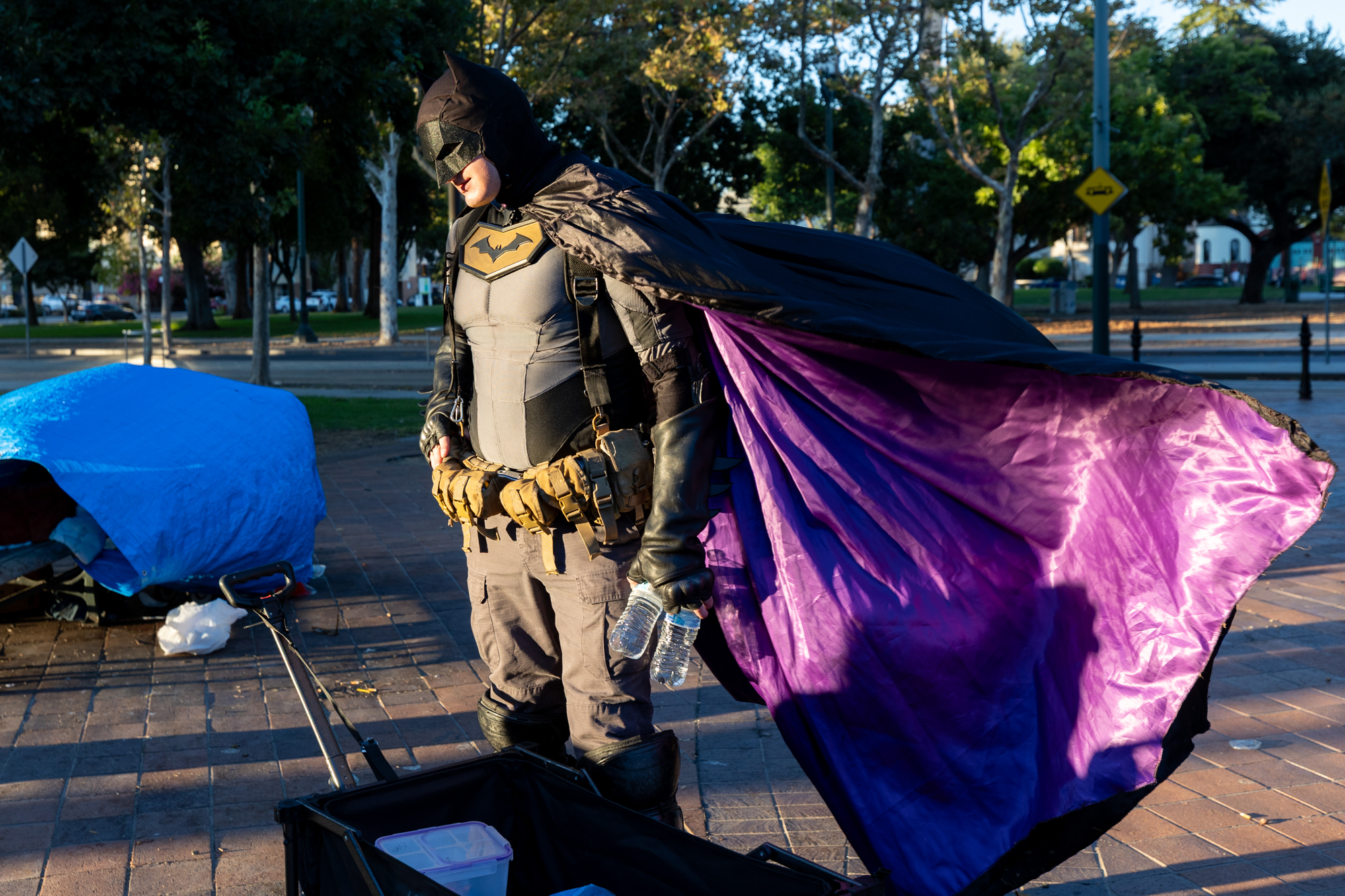
KQED's in-depth profile traces roughly eight years of the Batman of San Jose's nighttime work distributing supplies to unhoused residents, alongside his Housing First advocacy, presenting the council testimony as one part of a longer-running mutual-aid practice rather than a one-off stunt.
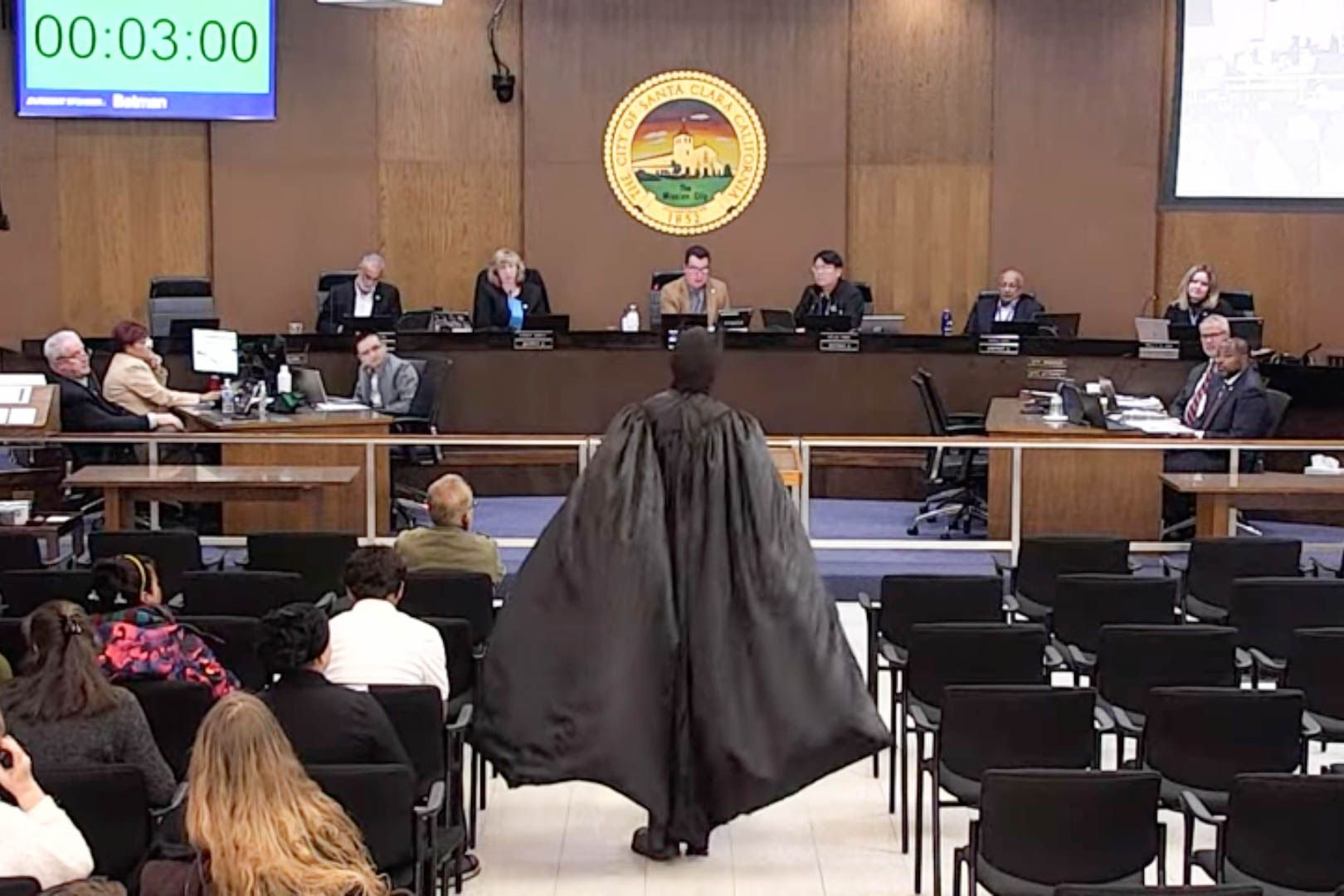
SFGate's Bay Area desk covers the same Santa Clara appearance, tying it to concerns that Super Bowl LX security arrangements could be used to expand ICE's presence in the South Bay.
NewsNation's national writeup recaps the testimony's Star Wars references and cites DeFlock's own open-source tracker in reporting more than 550 Flock cameras now operating across San Diego, alongside other recently documented misuse cases nationally.
IPVM, a surveillance-industry trade publication, analyzes the stunt as a case study in guerrilla public-relations tactics aimed at ALPR vendors, estimating the clips reached tens of millions of views and arguing the bit did more to shift public opinion than years of conventional advocacy testimony.
UPI's video coverage captures the costumed testimony in full, including a mock Jedi mind-trick gesture aimed at the council and a sarcastic threat to fund an army of Stormtroopers. The bit reframes camera funding as money diverted from parks, libraries, daycare programs, and shelters, turning the joke into a budget-priorities argument.
Common Dreams frames the appearance within the broader fight against municipal ALPR contracts, quoting the costumed testimony's sarcastic endorsement of surveillance expansion.
The Cool Down frames the stunt as a case study in using spectacle to force attention onto a quietly signed surveillance contract. The testimony singles out a named council member and jokes that the cameras could just as easily track kids at the pool, the playground, or the gym, turning a budget line item into something residents can picture.
Hoodline identifies the speaker as Christopher Canole, a 77-year-old San Diego artist and actor locally known as "Dude Vader," rather than Tony. The piece cites the roughly $2 million annual cost of the Flock contract, a $1.5 million wrongful-arrest lawsuit tied to a license-plate misread, and a Washington Post investigation into officer misuse of the cameras: details that back the costume bit with real enforcement numbers.
BGR's write-up names the speaker Roger Ralphs and focuses on the council's visibly mixed reaction in the room. The testimony argues surveillance dollars would be better spent on aging storm drains and other neglected infrastructure than on expanding camera coverage.
Fox 5's local segment identifies the activist as Christopher Canole, the San Diego artist known as "Dude Vader," and airs footage of the public comment alongside reaction from other residents in the chamber.
Carscoops, an automotive outlet whose readers follow license-plate camera technology, recaps the council testimony's sarcastic endorsement and the underlying debate over Flock's accuracy and privacy record.
Local nonprofit newsroom coverage notes SDPD has deployed more than 550 Flock cameras since a December contract, that the ACLU and community groups oppose the program on privacy grounds, and that the satirical council testimony drew national attention to the fight.
Dexerto covers the September 8 council meeting, including Cawthon's in-character warning that Doom will be watching, and notes the city's stated plan to expand its camera network past 1,000 units.
Yahoo News' politics desk covers Cawthon's Doctor Doom appearance before the Seattle City Council, framing it within the wider pattern of costumed protest against municipal surveillance contracts that started with the San Diego stunt.
KTVU covers the January 27 joint Santa Clara City Council and Stadium Authority meeting, where the costumed activist testified against local police cooperation with ICE ahead of Super Bowl LX at Levi's Stadium, arguing the high-profile event shouldn't be used as cover for expanded immigration enforcement.
Popverse profiles roughly seven years of the Batman of San Jose's costumed activism, tracing his motivation back to the flood-rescue sequence in Matt Reeves' 2022 Batman film. A quote from the activist's own Reddit AMA frames the persona as a way to represent hope and justice for people who feel unseen by local government.
The Center for Artistic Activism's write-up treats the costume as a deliberate organizing tactic, arguing that a mask gives ordinary people courage to speak up, and analyzes how spectacle at a city council podium earns attention that routine public comment rarely gets.
TMZ covers the roughly three-minute Batman appearance before the Santa Clara City Council, in which the activist criticized the council for cooperating with ICE and called on local officials to refuse federal collaboration.
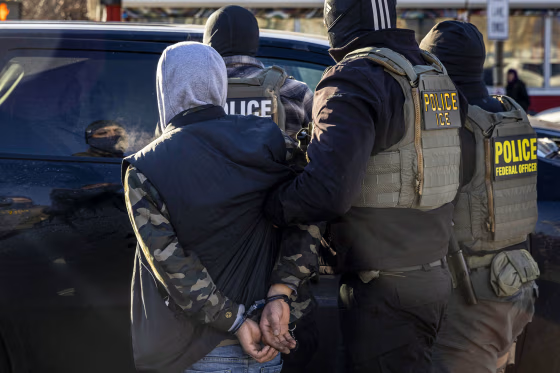
KPBS reports ICE made nearly 2,000 arrests in San Diego and Imperial counties in July 2026, the highest single-month total of the administration's second term, even as new DHS leadership publicly signaled a quieter enforcement posture. Notes a growing share of those detained have no criminal convictions, including a rising number of arrests involving minors.
Using internal ICE data, this article traces how monthly arrests in the San Diego/Imperial County region climbed roughly elevenfold between early 2025 and mid-2026. It highlights that the region accounted for a disproportionate share of statewide arrests relative to its population, and that most people taken into custody had no criminal history.
inewsource documents a record-setting month of ICE arrests in the San Diego area in July 2026, up sharply from June, with a majority of those detained having no pending charges or convictions. Frames the shift as a tactical move toward lower-profile operations following backlash over earlier, more visible raids that led to civilian deaths.
Citing ICE data shared with congressional Democrats, this article reports over 16,000 removals from San Diego County over roughly a year, most involving Mexican nationals. Local Democratic representatives are quoted questioning whether the removals genuinely track the administration's stated focus on serious offenders.
CalMatters analyzes government enforcement data showing a roughly fifteen-fold jump in San Diego/Imperial County arrests over a several-month stretch, enough to surpass Los Angeles in total arrests despite San Diego's smaller footprint. Notes a falling share of arrestees with criminal convictions and features community volunteers describing rising anxiety in immigrant neighborhoods.
This case update describes a federal judge's order freeing three San Diego immigrants who had been re-arrested at routine ICE check-ins despite prior release orders. Legal organizations argued the practice violated due-process protections, and the court barred further re-detention of the plaintiffs absent a hearing on changed risk factors.
A follow-up filing in the same San Diego case seeks to expand the earlier ruling into a class action covering everyone re-detained by ICE at check-in appointments in the region without fresh case review. Attorneys argue the practice is systemic rather than isolated to the original three plaintiffs.
Four California federal lawmakers publicly called for ICE's internal oversight office to investigate a late-May 2025 operation at two San Diego restaurants, where roughly 20 agents in tactical gear used flash-bang devices during dinner service. Frames the raid as part of a broader pattern of aggressive, high-visibility enforcement tactics drawing local government pushback.
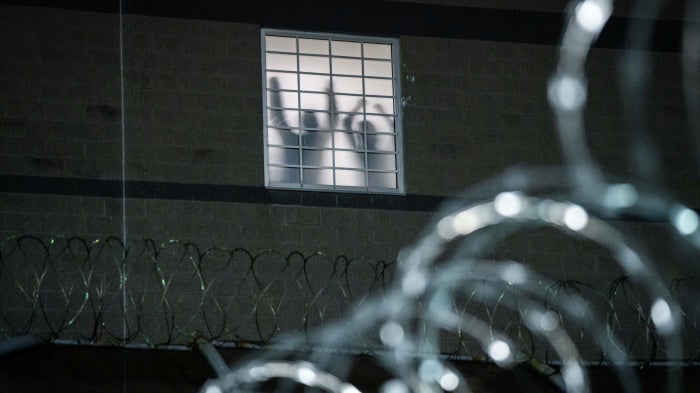
The Texas Tribune reports on a federal lawsuit filed against ICE over conditions at a large detention tent facility on the Fort Bliss military base in El Paso. The suit cites multiple detainee deaths, a measles outbreak, and dozens of documented standards violations within the facility's first year, alleging medical neglect and restricted legal access; DHS disputed the characterization.
Maryland's Attorney General announced a lawsuit against DHS over its purchase of a large warehouse property for conversion into an ICE detention center, alleging the federal government skipped legally required environmental review and state consultation. Frames the roughly $100 million purchase as proceeding without transparency to state officials or the public.
This investigative piece finds that habeas corpus filings challenging ICE detention in the Chicago federal court skyrocketed after a 2025 enforcement surge, with judges siding with detained immigrants in the large majority of decided cases. Also details poor conditions reported at a local ICE facility, including complaints about inadequate medical care.
Two Philadelphia city councilmembers introduced a package of bills aimed at restricting ICE activity locally, including bans on masked or unmarked enforcement, limits on use of city property for raids, and formal codification of the city's non-cooperation stance. Notes the mayor has been more cautious about directly confronting federal immigration policy.
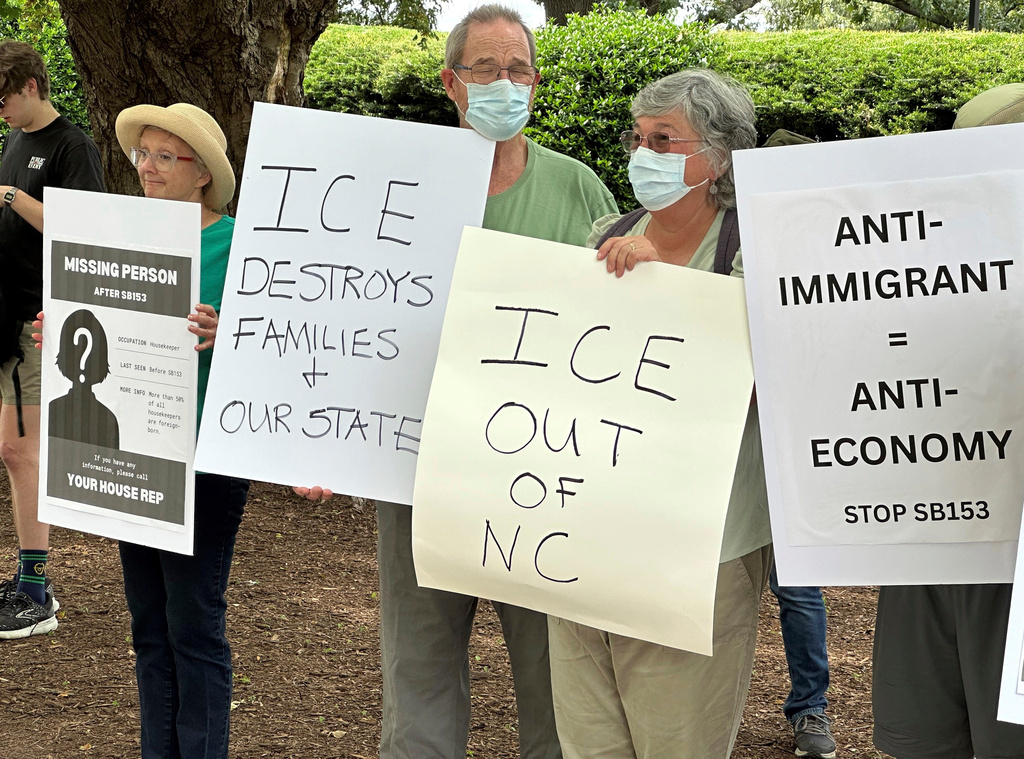
WUNC covers North Carolina's new law, enacted after the legislature overrode a gubernatorial veto, requiring several state agencies to cooperate fully with ICE and eliminating local sanctuary policies statewide. Immigrant-advocacy groups quoted in the piece warn the law will deepen fear in immigrant communities even beyond its direct enforcement effects.
NBC News reports ICE published several detainee death reports months after a congressionally mandated deadline, covering four January 2026 deaths, two of which were listed as presumed suicides. Notes a fifth death disclosed the same week pushed the year's total to 17, continuing an upward trend from the prior year.
WBUR reports a federal judge vacated policies permitting broad ICE courthouse arrests and extended field-office detentions, restoring narrower limits nationwide. The ruling directly affects practices at ICE's Burlington, Massachusetts office and coincides with state lawmakers advancing separate legislation limiting ICE activity near sensitive locations.
The ACLU announces a court-ordered stay largely barring ICE from making civil arrests at several New York immigration court locations, after the agency conceded in litigation that its own policy memo never actually authorized courthouse arrests. Describes the underlying case as arising from arrests of young asylum seekers and students during routine hearings.
Human Rights Watch documents the widespread practice of ICE agents concealing their faces and identification during enforcement operations, based on interviews with roughly 18 witnesses. Argues the practice erodes public accountability and has enabled impersonation by criminals, and calls for congressional action including support for federal legislation requiring visible identification.
FOX 9 reports Minneapolis's mayor requested Minnesota National Guard assistance after a Border Patrol agent fatally shot a man during an immigration enforcement operation, the third shooting tied to federal agents in the city since the operation began. City officials said they intended to seek a court order to halt the enforcement surge and remove federal agents from the state.
This joint report with Physicians for Human Rights tallies 52 deaths in ICE custody during the first 500 days of the current administration, a mortality rate the groups describe as the highest in over a decade. Attributes the toll to systemic gaps in medical and mental-health care alongside overcrowded facility conditions.
A Stateline data analysis finds that states with strict non-cooperation policies show measurably lower rates of jail-based ICE arrests than states requiring cooperation. Notes the effect is limited to jail settings, since federal agents continue conducting street-level enforcement regardless of a state's sanctuary status.
Using public-records data from a small Illinois police department, reporters showed that local and state police ran over 4,000 Flock ALPR searches tagged with immigration-related reasons in under a year, despite Flock having no formal contract with ICE. Argues this effectively gave federal immigration agents backdoor access to a nationwide plate-tracking network through Flock's cross-agency search sharing.
EFF obtained court records contradicting a Texas sheriff's office's public claim that an 83,000-camera Flock network search for a woman was a welfare check; a detective's sworn affidavit instead described the case as a death investigation tied to a self-managed abortion. Prosecutors ultimately said state law didn't allow charges, but the episode became a flashpoint for fears that ALPR searches could be used to police reproductive healthcare decisions.
This year-end roundup summarizes a year of EFF reporting on Flock, including discriminatory searches, immigration-enforcement access, protest surveillance, and the company's expansion into audio detection. It credits community organizing built on that research with driving several cities to cancel or refuse to renew their Flock contracts.
ACLU analysts compile examples where they say Flock gave city officials and the public misleading assurances about data sharing, retention, and oversight, including a case where a Wisconsin city council rescinded a contract just a day after approving it once it learned more. Argues municipalities should treat the company's public statements with skepticism and impose strict independent guardrails before adopting ALPR systems.
Traces how Florida investigators used a Flock camera hit to tie a young woman's SUV to a fatal hit-and-run, despite evidence at the scene that didn't match her vehicle, leading to felony charges and jail time before the case collapsed seven months later. Uses her ordeal to raise broader questions about how much weight police and prosecutors place on automated camera matches.
Covering the same Florida case from a different angle, this piece emphasizes that the woman spent 13 days in jail facing eight felony counts even though her car's color and lack of damage didn't match witness accounts of the crash vehicle. Charges were dropped only after authorities identified a different driver.
This trade-press explainer surveys the range of controversies fueling opposition to Flock (unauthorized data sharing, use in immigration enforcement, and dozens of contract cancellations) and notes that roughly 82 jurisdictions across 28 states had terminated Flock agreements as of the article's writing. Also touches on new state-level legislation aimed at restricting how ALPR data can be retained and shared.
Profiles Flock as a venture-backed company valued at roughly $8 billion whose camera network spans thousands of communities, framing its current troubles as a business story as much as a civil-liberties one. Details dozens of contract terminations since 2021, camera vandalism reported in three dozen states, and documented cases of officers misusing the system to track people outside legitimate investigations.
Reporting on an EFF dataset, this piece describes more than 50 law enforcement agencies running Flock searches tied to demonstrations over a ten-month window. Frames this as evidence that ALPR infrastructure built for traffic and crime enforcement is also being used to monitor First Amendment-protected activity.
The ACLU of Rhode Island calls on a town council to end its Flock contract after a local woman was wrongly arrested based on a photo captured by one of the cameras, not just a license plate match. Argues the incident shows Flock's cameras collect more identifying detail than officials have disclosed to the public.
Reports that Eugene's police department terminated its Flock contract after citing unresolved data-security and operational concerns, following months of public pushback and an ACLU records lawsuit. The city council had earlier voted unanimously to pause the cameras, and the department released a map of camera locations shortly before the cancellation.
Reports that Senator Josh Hawley, alongside a Senate Judiciary subcommittee, summoned Flock's CEO and counterparts from several rival surveillance-camera companies to a hearing on AI-driven camera networks. Frames the hearing as a bipartisan response to mounting concern over how much location data these companies collect and who can access it.
Surveys the scale of opposition to Flock, citing over 50 cities and counties that deactivated cameras and vandalism incidents reported in at least three dozen states, alongside specific misuse cases like an officer's repeated tracking of an ex-girlfriend. Balances this against law enforcement claims that the cameras help locate missing people and assist roughly a million investigations a year.
Covers a public dispute between Denver's city council and mayor after his office moved to extend the city's Flock contract despite an earlier council vote against it. Council members criticized being sidelined from a surveillance oversight process that was supposed to involve their input before such decisions were finalized.
A Milwaukee police officer faced misdemeanor charges after audit logs showed he searched two women's license plates dozens and even over a hundred times through the department's Flock system, reportedly tied to a personal relationship. As part of a plea arrangement he agreed to resign from the force, and the case became a touchstone in broader Wisconsin debates over ALPR oversight.
Confirms that Flock's CEO and executives from three competing surveillance-camera companies were called before a Senate Judiciary subcommittee for a hearing on AI camera networks and data access. Senator Josh Hawley is quoted framing the inquiry as an effort to determine who holds Americans' location data and how it's being used.
Public records show NYPD officers made more than 1,700 searches using Flock Safety's technology even though the department had no contract with the company, raising questions about how officers gained access and what oversight applies to that use.
Reports that Flock discontinued a pilot feature designed to detect human screaming after sustained criticism from EFF, but notes the underlying microphones remain active and still listen for gunshots, crashes, and other sounds. Argues that because Flock can reconfigure this audio detection through software without public notice, the underlying privacy concern isn't fully resolved even with the feature removed.
The San Diego City Council narrowly approved, 5-3, continued use of automated license plate readers and other surveillance tools operated by SDPD via Flock Safety. Public opposition focused heavily on fears that plate-reader data could reach federal immigration authorities, despite officials' assurances that state law and department policy bar such sharing.
Complying with the city's 2022 surveillance ordinance, SDPD released detailed use policies covering a wide range of equipment, including foreign-made drones, vehicle-data extraction tools, and phone-cracking devices from vendors like Cellebrite. The disclosure kicked off a series of public comment sessions on each technology category.
Council members voted 6-2 to amend the city's TRUST surveillance ordinance at Mayor Todd Gloria's urging, narrowing definitions and exempting routine office and records software from oversight requirements. Privacy advocates and at least one council member warned the changes could weaken transparency around future technology acquisitions.
After a marathon hearing with more than 180 public speakers, the council authorized SDPD to keep running 54 separate surveillance technologies, including Smart Streetlights and license-plate readers. Police argued the tools helped close hundreds of cases and cut vehicle theft, while most speakers urged the council to reject or restrict them.
Student activists from UCSD's Students' Civil Liberties Union turned out at a city council meeting to oppose renewing SDPD's Flock Safety license-plate-reader contract. Every one of the roughly two dozen public speakers at the meeting spoke against the technology, citing fears of data reaching federal agencies and questioning the tradeoff between surveillance spending and funding for libraries and parks.
City council members are pressing for greater accountability over San Diego's rising insurance and legal-settlement costs, a large share of which stem from police liability claims. Since 2017 the city has paid out $116 million tied to SDPD, more than any other department, prompting questions about whether training reforms are actually reducing misconduct.
SDPD was projected to blow past its overtime budget by roughly $10 million by the end of the fiscal year, continuing a nearly decade-long pattern. Chief Scott Wahl said the department is about 1,000 officers short as the driver, against a backdrop of a citywide deficit approaching a quarter-billion dollars.
SDPD-related legal settlements and judgments have topped $116 million since fiscal year 2017, the highest of any city department, with a record $42 million paid out in fiscal year 2026 alone. That total included a $30 million settlement over a fatal police shooting, prompting councilmembers to demand stronger accountability measures.
This retrospective revisits a prior Voice of San Diego investigation that found SDPD's crime lab had quietly reduced how thoroughly it tested rape kits in order to clear a backlog faster. The fallout forced the department to restore full testing protocols, re-test old kits through outside labs, and replace crime-lab leadership, turning up significant DNA matches in previously shortchanged cases.
KPBS found that SDPD routinely labels around 79% of complaints against officers as "miscellaneous," a category the civilian Commission on Police Practices is not authorized to review. The commission's executive director said the practice leaves the board unable to examine the bulk of complaints it was created to oversee.
A city committee unanimously advanced continued authorization for SDPD and San Diego Fire-Rescue's drone programs under the TRUST surveillance ordinance. Both departments have flown drones since 2018 and logged around 60 missions in 2023, with the measure then heading to the full council for final approval.
Community advocates sued the city alleging SDPD mislabels roughly 80% of complaints to keep them away from the voter-created Commission on Police Practices. The suit seeks a court order compelling the department to comply with the oversight measure's mandate.
Facing a roughly 200-officer SDPD shortfall, Mayor Todd Gloria floated folding the Port's roughly 140-officer Harbor Police unit into SDPD. The Port's CEO quickly pushed back, noting state law requires the Port to maintain its own force and that the idea raises complicated jurisdictional issues across several coastal cities.
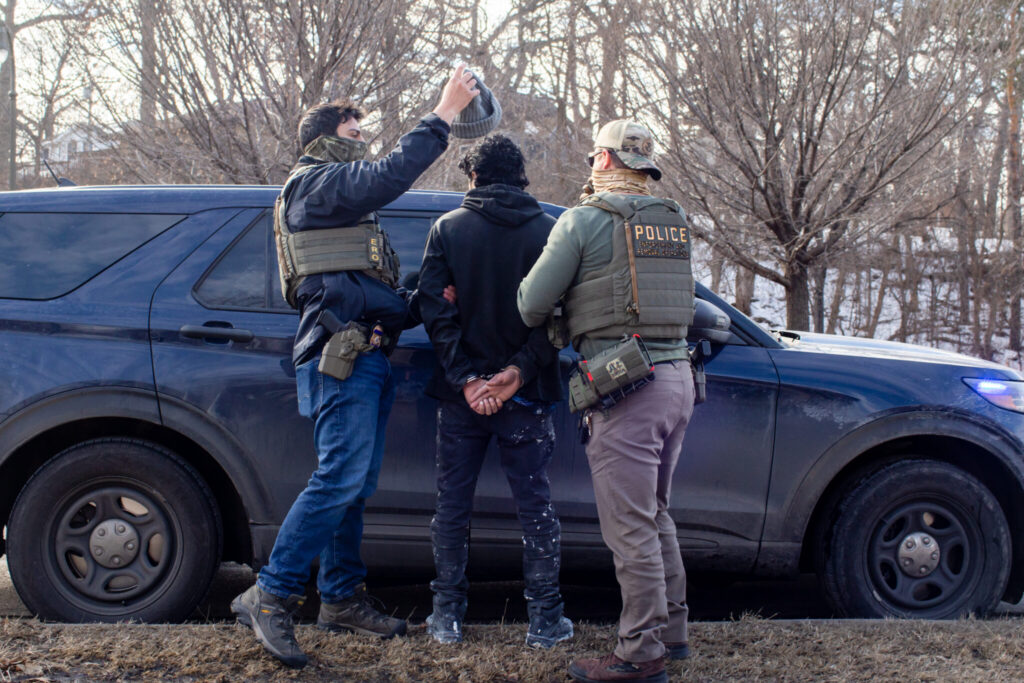
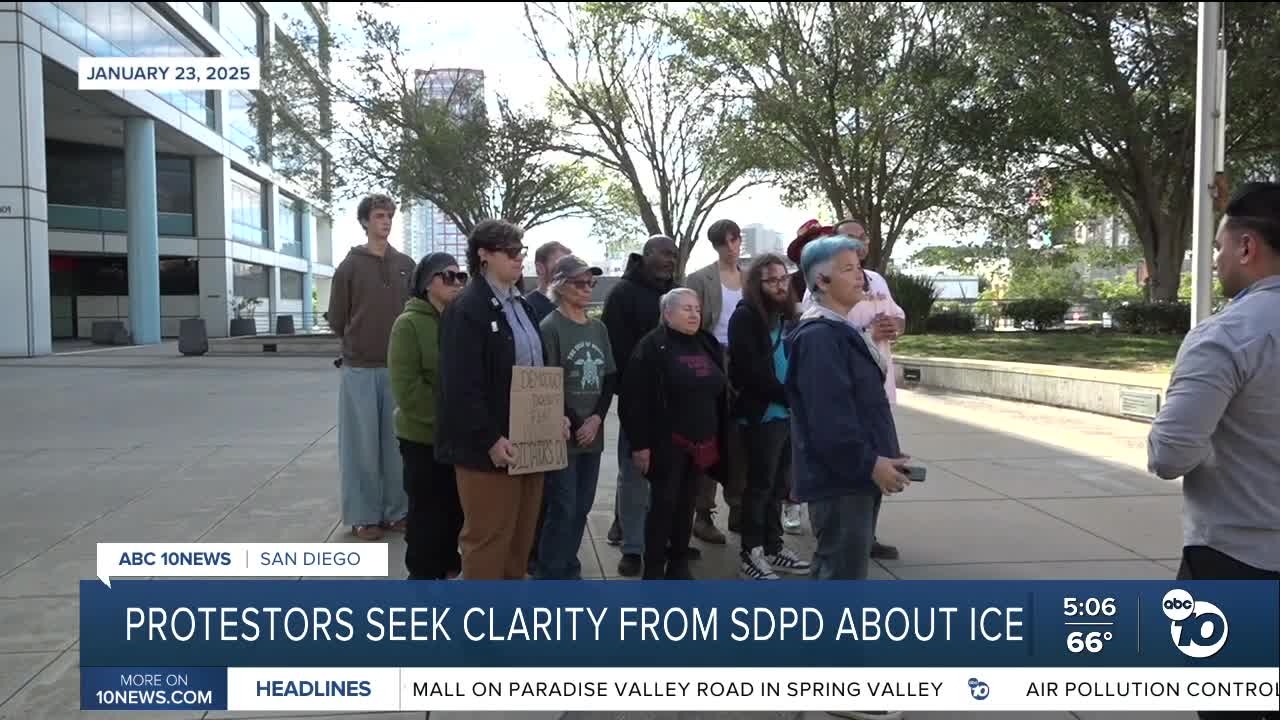
Demonstrators rallied outside SDPD headquarters seeking answers about the department's actual role in federal immigration sweeps, after some protesters said video showed officers assisting ICE operations. Police pointed to state law and department policy barring cooperation with civil immigration enforcement, while several demonstrators faced charges from an earlier sit-in at the mayor's office.
Chief Scott Wahl appeared before the Commission on Police Practices to defend SDPD's vehicle pursuit rules after an NBC 7 Investigates review found over 1,500 pursuits between 2017 and 2023 resulted in hundreds of injuries and several deaths. The commission issued nine reform recommendations; Wahl agreed to partially adopt most but resisted discouraging pursuits over low-level offenses.
This piece explores how intensified federal immigration enforcement has deepened community distrust of SDPD's license-plate-reader network, particularly in immigrant and minority neighborhoods. It highlights alleged compliance lapses and the role of surveillance vendors in a system residents fear could feed data to federal agencies despite state legal protections.
An NBC 7 Investigates review of 68 internal affairs files released under state transparency laws documented officers involved in racial discrimination, excessive force, harassment, and unlawful searches between 2014 and 2022. Of the 63 officers named, the outlet found 34 were still on active duty at publication.
Under new disclosure practices, SDPD began publishing the stated reason behind each of its officers' roughly 114,000 license-plate-reader searches so far in 2026. While a large share were tied to stolen vehicles, warrants, or weapons cases, nearly 4,000 searches were logged only as "other" with no public detail, drawing renewed transparency concerns.
Drawing on Electric Power Research Institute research, the piece explains that data center growth has so far lowered average electricity rates due to economies of scale in grid spending, but warns the trend could reverse if the AI computing buildout outpaces actual demand, leaving costs stranded on ratepayers, a dynamic already visible in Virginia's rising residential rates.
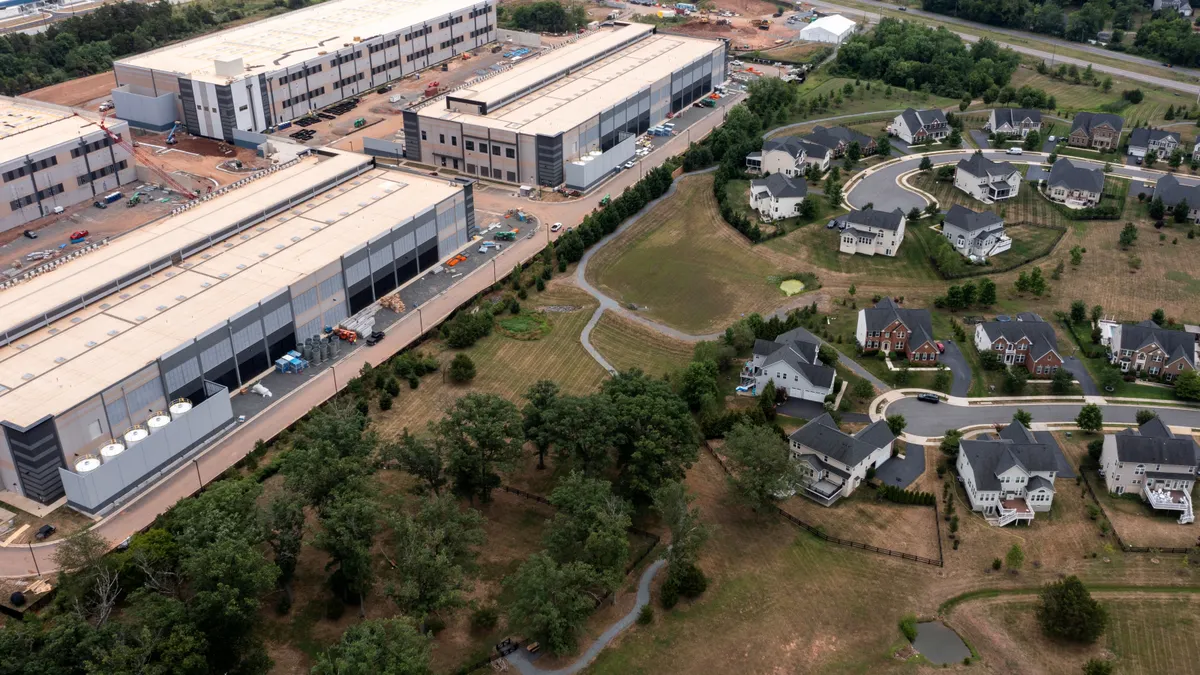
Citing a peer-reviewed study, the article projects data centers' share of U.S. electricity use could nearly quadruple by 2030, pushing wholesale power costs sharply higher and hitting Virginia hardest. It cites polling showing most Americans oppose new data centers near their homes, largely over cost fears.
Recounts two 2025 incidents (a Georgia facility overdrawing water during a drought emergency due to a metering error, and an Arizona contractor hauling unauthorized water outside Tucson city limits) as evidence of data center water use outrunning oversight. Notes dozens of cities have since imposed construction bans or moratoria.
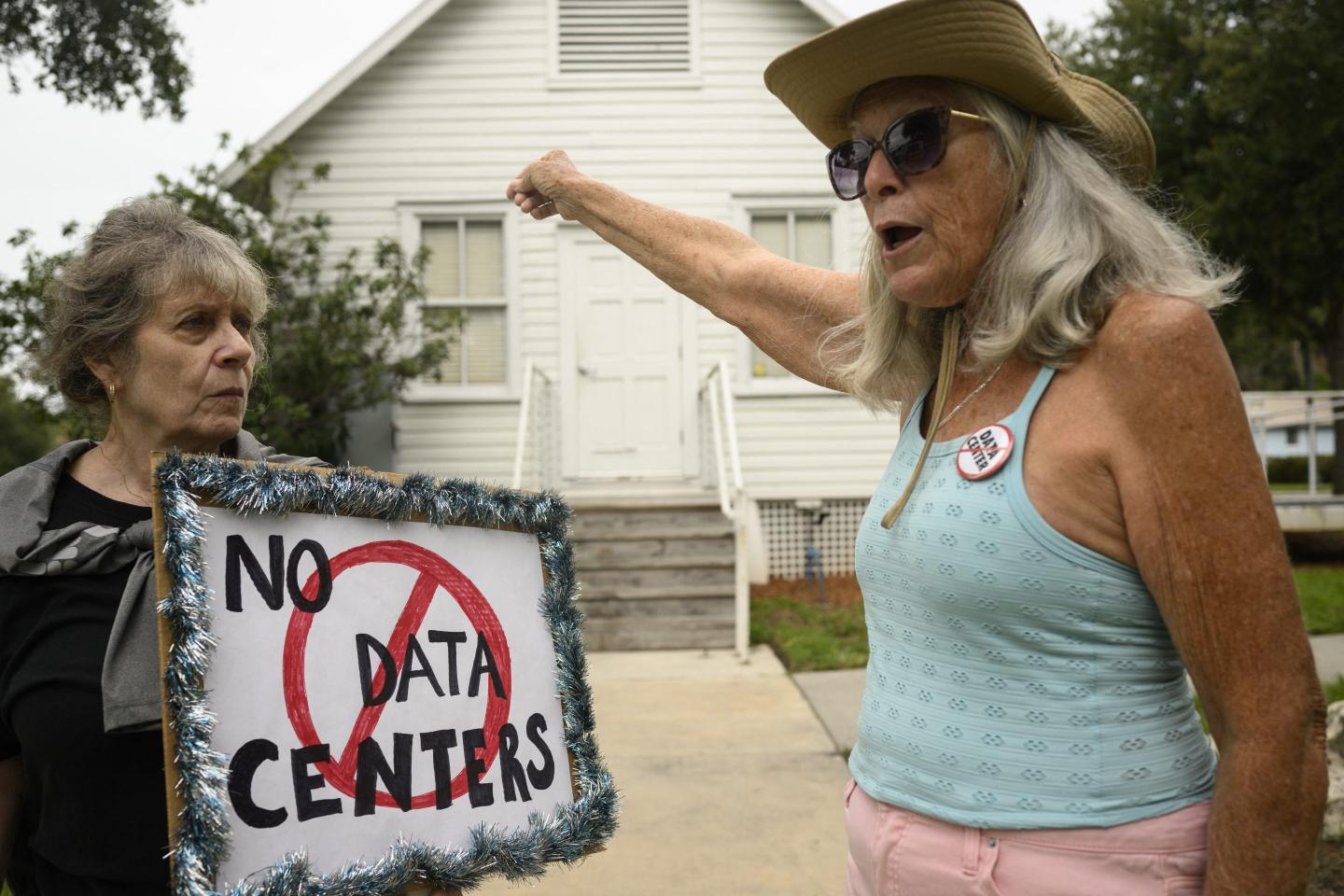
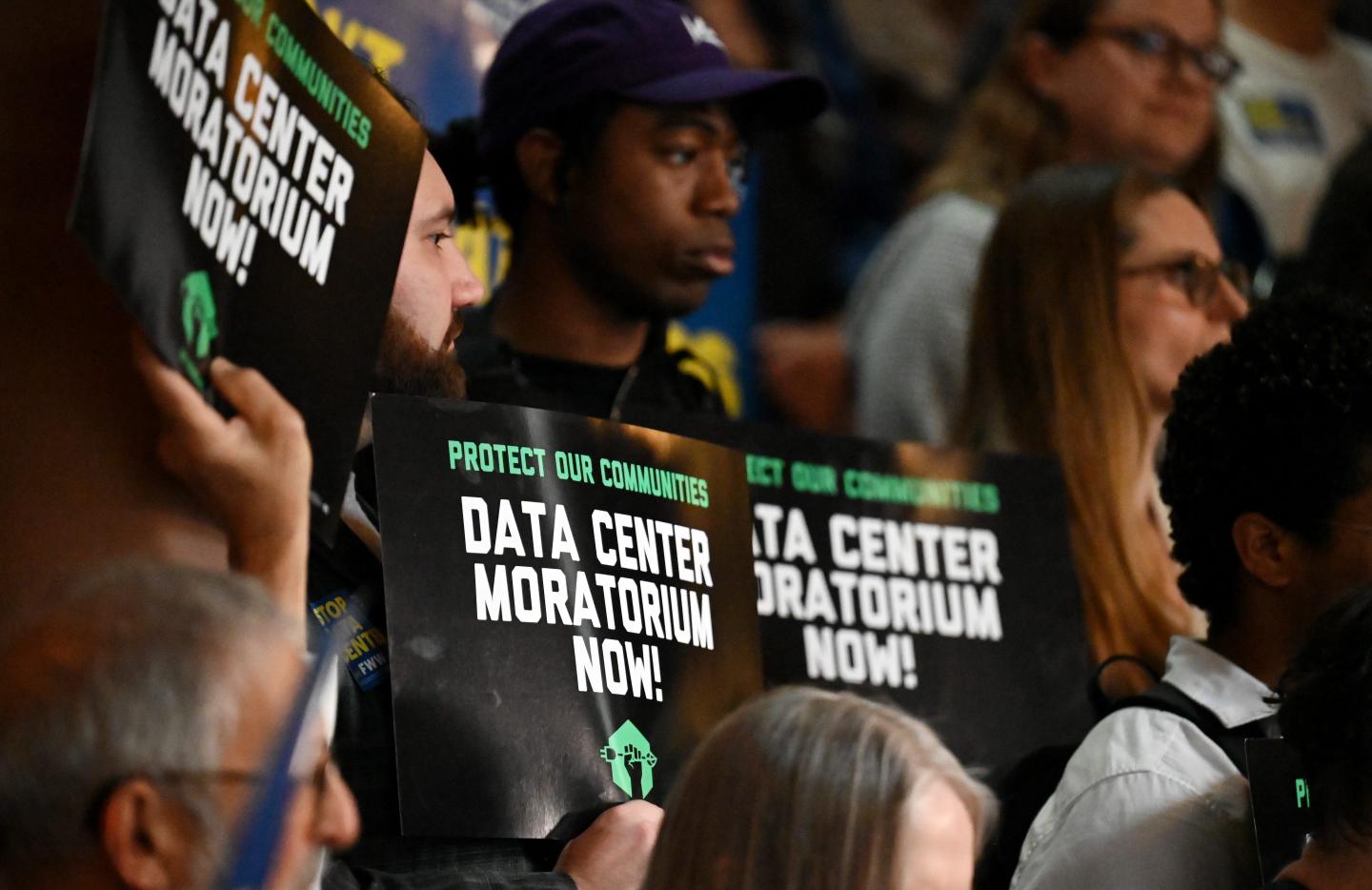
Reports that Imperial County's Board of Supervisors voted 4-1 to approve a land merger clearing the way for a huge data center project near the city of Imperial, despite loud objections and a restricted, heavily policed hearing. Opponents have since floated a recall campaign and a ballot measure banning data centers on unincorporated county land.
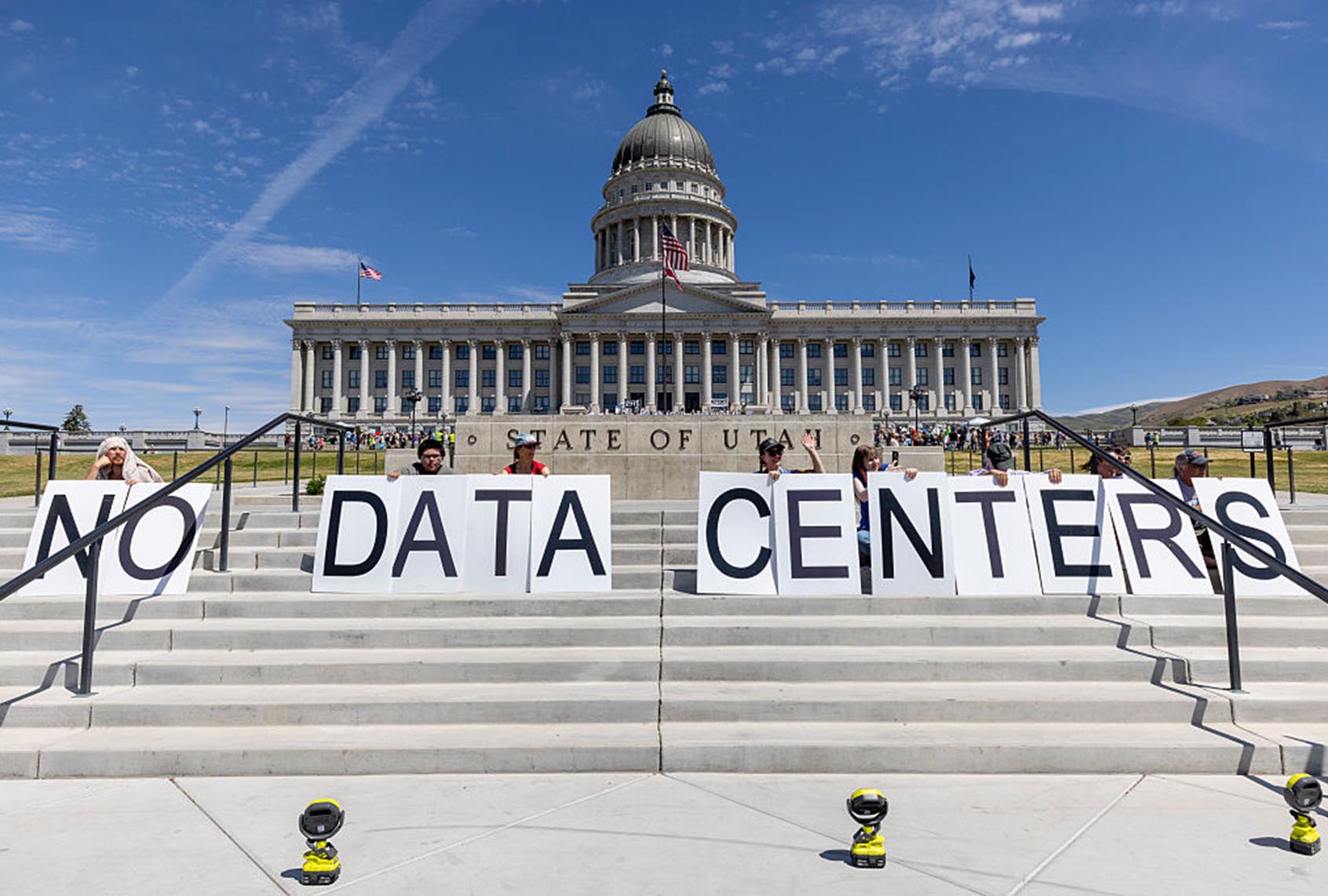
Profiles grassroots campaigns against hyperscale data centers, including a New Jersey organizer's push for local bans and Utah's scaled-back Stratos project. Frames the fight as a test of local governance, citing modeling projecting steep regional electricity price increases by 2030.
Covers an $8.48 million California Energy Commission-backed project at the San Diego Supercomputer Center testing solid-state transformer technology meant to make AI data center power delivery more efficient and less disruptive to the grid, with San Diego Gas & Electric as a partner.
Maps roughly nine states reconsidering data center tax incentives after AI-driven expansion made the programs vastly costlier than projected: from Ohio and Illinois pausing applications to New Jersey eliminating unused credits, while Virginia kept exemptions but added a new electricity consumption tax.
Details how Stokes County, North Carolina commissioners narrowly approved rezoning nearly 1,844 acres of farmland for a data center over the objections of the county's own planning board. Property owners and environmental groups have sued, alleging inflated job and tax claims and improper reclassification of land including homes and burial grounds.
Covers a lawsuit against Joliet, Illinois over approval of a $20 billion, nearly 800-acre data center campus, alleging improper public notice and open-meetings violations. Flags the project's projected daily water draw and multi-gigawatt electricity demand as unresolved community concerns.
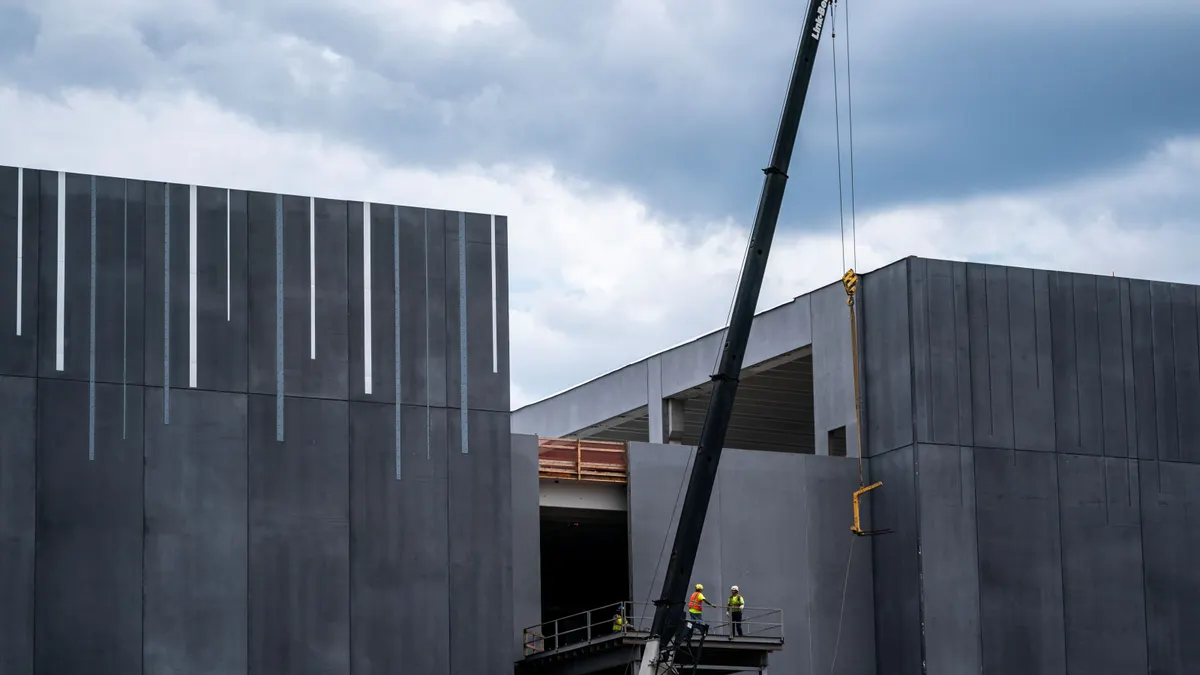
Reports that Virginia regulators fined a Microsoft data center roughly $2.5 million after a 2025 substation failure forced it to run dozens of backup generators for a week, exceeding air-permit limits. Loudoun County, home to hundreds of data centers, separately paused new approvals for a year.
Describes how Florida, Oregon, Virginia, Texas, and Alabama have adopted new rate structures requiring large data centers to cover more infrastructure costs rather than spreading them across all ratepayers, and notes a bipartisan ratepayer-protection bill passed the U.S. House by a wide margin.
Follows residents of a majority-Black Memphis neighborhood confronting air-quality declines they attribute to gas turbines powering a nearby AI supercomputer facility, weighing promised jobs and tax revenue against researcher findings of elevated nitrogen dioxide levels.
Reports Meta committed to funding seven additional gas-fired plants for its Louisiana data center complex, bringing total planned gas generation to ten plants and 5.2 gigawatts, arranged with the local utility amid scrutiny over ratepayer risk.
Traces the legal battle over a Prince William County, Virginia project, a proposed 2,100-acre campus that stalled after opponents found the county failed to properly publish required rezoning notices, noting polling that roughly seven in ten Americans oppose facilities near them.
Covers a dispute where an Ohio manufacturers' association argues the state's largest utility still overstates expected data center demand even after halving its forecast under a new data-center-specific tariff, contending the methodology could inflate costs for other customers.
Reports on Tucson's council unanimously killing annexation talks for a large Amazon-linked data center campus after weeks of opposition over desert water and power demands, noting the fight revived local interest in municipal public power.
Citing the mid-Atlantic grid operator's independent market monitor, reports data center demand accounted for 40% of costs in the region's most recent capacity auction, and nearly half of combined cost increases across its last three auctions; costs ultimately recovered from regional electricity customers.
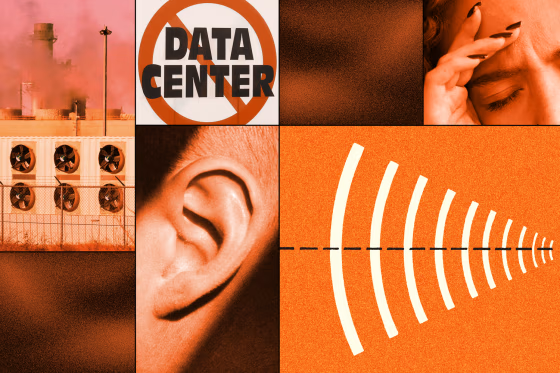
Surveys lawsuits filed by residents in Texas, Michigan, and New Jersey over low-frequency noise from nearby data centers, framing noise as an emerging front in local opposition, distinct from the more familiar water and electricity fights.
Reports Chicago-area utility customers faced at least a 12% bill jump starting June 2026, driven partly by regional grid costs tied to data center demand and partly by the expiration of a nuclear and renewables credit; notes over 80 data centers already operate in northern Illinois.
Reports on Michigan homeowners suing a cloud-services operator over continuous noise from a nearby AI data center, situating it among similar disputes in Wisconsin and Virginia, where lawmakers are drafting noise-mitigation rules.
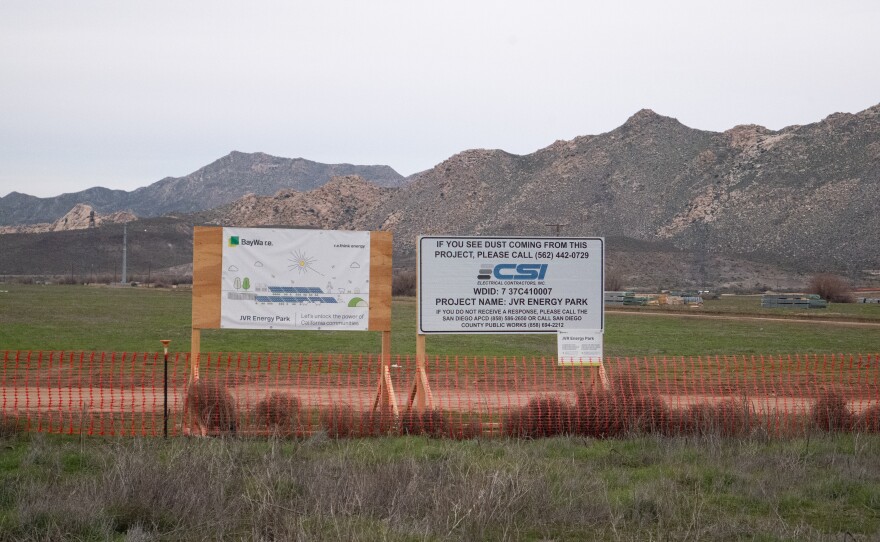
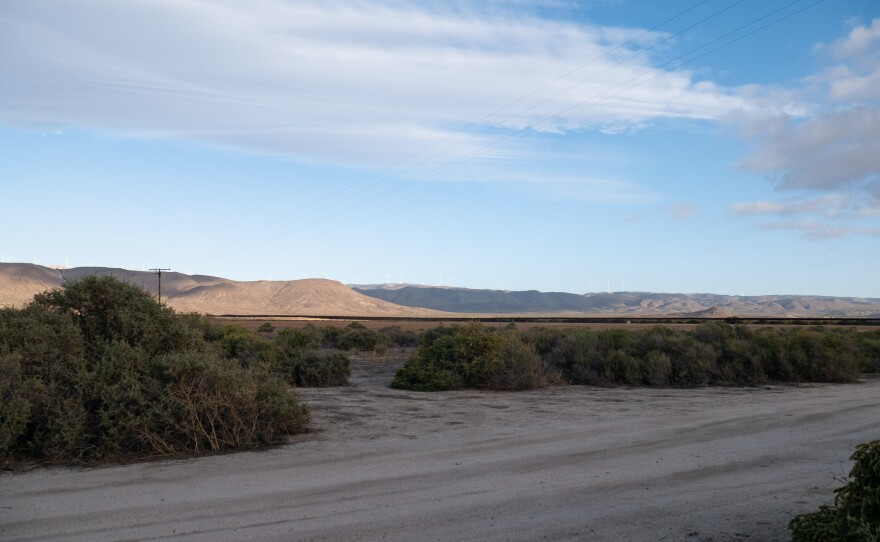
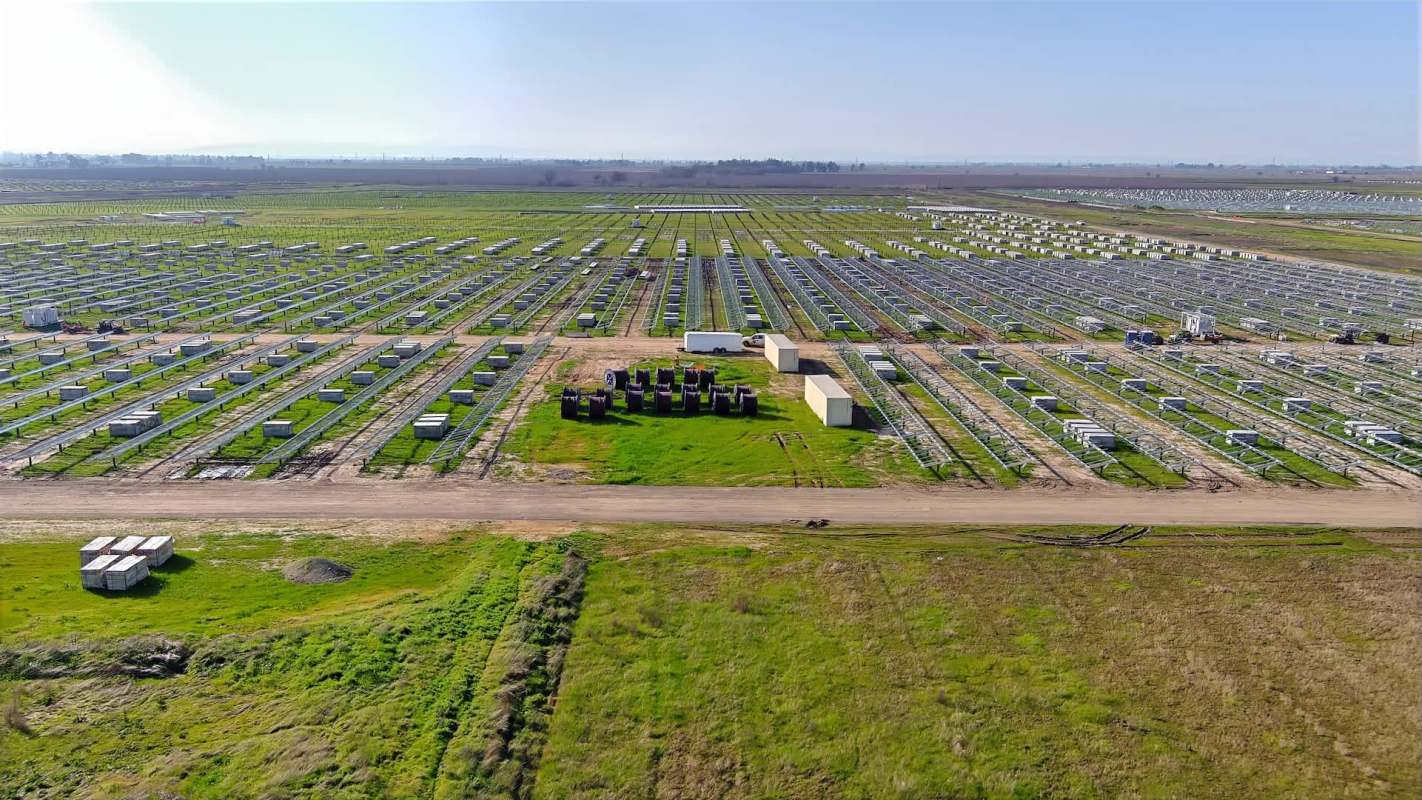
Reports that the San Diego County Board of Supervisors voted unanimously to approve the Starlight Solar project, a nearly 600-acre solar and battery storage facility near Boulevard. Despite sustained opposition over fire, water, and environmental concerns, the board attached conditions covering groundwater monitoring and a community benefits package. Opponents intend to pursue legal action to try to stop construction.
Covers the county Planning Commission's unanimous vote to advance Starlight Solar despite objections from Boulevard residents over water use and wildfire danger in a designated high fire-hazard zone. Commissioners added conditions including larger buffer distances, a stormwater basin, and construction dust controls, with a final Board of Supervisors vote then scheduled for September.
A broader look at the wave of solar, wind, and battery projects reshaping East County under state clean-energy mandates. Describes friction between developers, who say they're engaging communities responsibly, and residents and tribal members who see the buildout as disproportionately burdening rural land and Indigenous cultural sites.
Details Manzanita Band of the Kumeyaay Nation leaders' claims that San Diego County did not adequately consult them before advancing a large solar project near Jacumba Hot Springs, adjacent to Boulevard. Tribal members say the site holds ancestral remains and cultural significance warranting closer coordination during construction monitoring; county officials countered that the tribe missed an earlier comment deadline.
Covers San Diego County's draft zoning ordinance meant to standardize battery energy storage system rules countywide, including new setback requirements. Boulevard residents quoted say the proposed rules still don't go far enough for communities in high fire-severity zones, while county planners respond that stricter siting limits could jeopardize state renewable energy targets.
Describes how Boulevard residents pushed the county Planning Commission to modify Starlight Solar before approval, winning changes such as relocating battery equipment farther from homes and adding dust-control measures. The developer agreed to fund a multimillion-dollar community improvement package.
Profiles Boulevard residents pressing county officials and the Starlight Solar developer for stronger safety guarantees, including a second evacuation route and battery placement farther from Jewel Valley Road. Residents also ask the developer to fund local infrastructure, citing a nearby Jacumba project's community payment as a benchmark.
Reports on the Board of Supervisors' unanimous approval of Starlight Solar and residents' continued objections over water access, fire danger, and the decision to keep battery storage along Jewel Valley Road despite requests to relocate it. A local community organizer says the fight isn't over; the story lists approved concessions including well monitoring and a multimillion-dollar community fund.
Covers the Board of Supervisors' 5-0 approval of what was then the county's largest solar farm, in neighboring Jacumba Hot Springs, after dozens of residents objected to its scale. Supervisors increased required community payments and expanded buffer distances between panels and homes before voting yes.
A wire-service writeup of the Board of Supervisors' unanimous vote approving Starlight Solar, noting more than 60 speakers addressed the board beforehand. Details the project's scale, the applicant's 12-year power agreement with SDG&E, and supervisor-added conditions such as keeping battery storage in its original northern siting and requiring groundwater testing tied to any future fire.
A wire report confirming the Board of Supervisors' unanimous approval of Starlight Solar on land south of Interstate 8. Recaps the project's location relative to the U.S.-Mexico border and the large volume of public testimony, mostly from opponents, heard before the vote.
Summarizes a contentious town hall where Boulevard residents pressed county planning staff on Starlight Solar's battery placement along the community's sole paved evacuation road. Outlines fears that construction drilling could disturb Kumeyaay cultural artifacts and that runoff could threaten the area's only groundwater source.